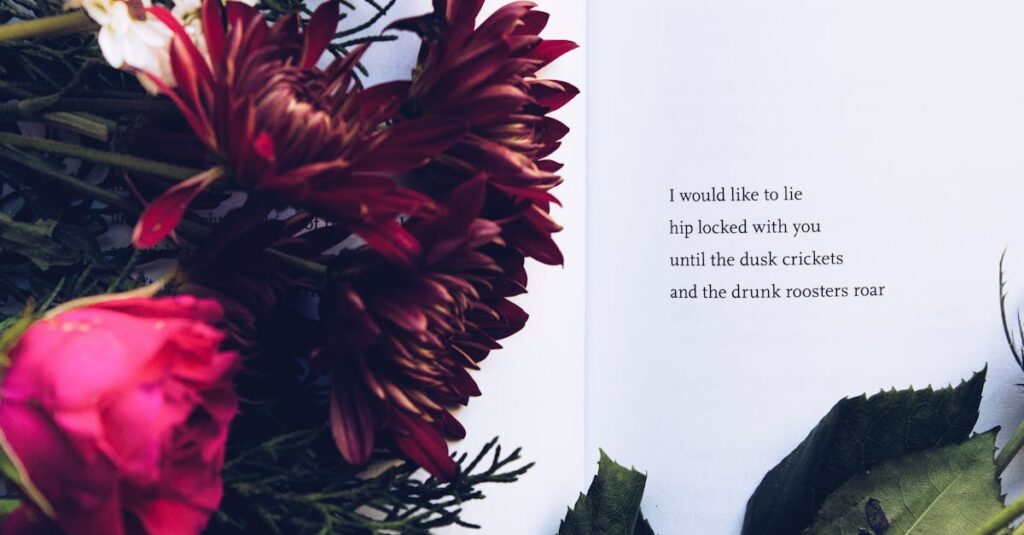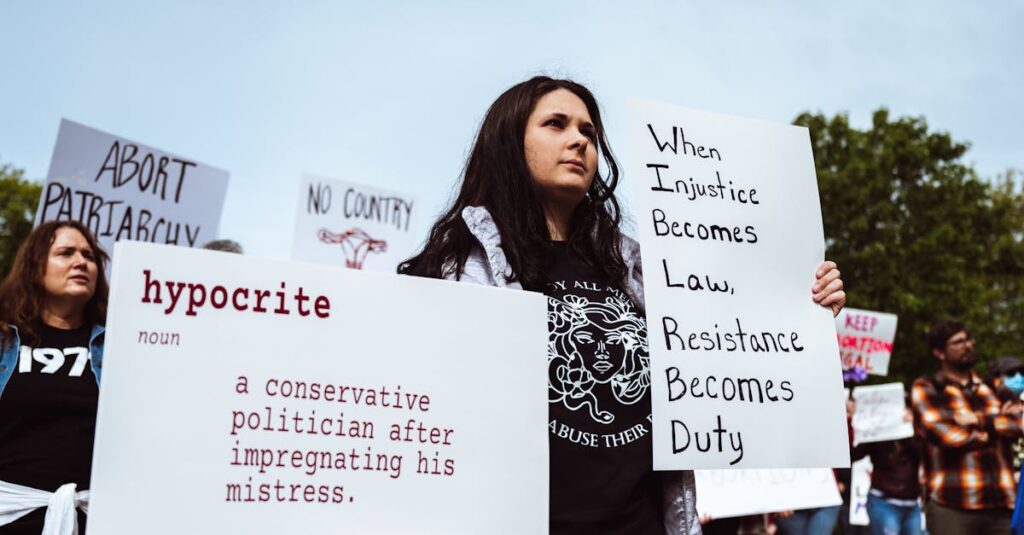
Patriarchy, a system where men hold the power and women are largely excluded from it, has shaped societies around the world for centuries. In the realm of literature, poetry has often served as a tool for resistance, offering voices to those silenced by the oppressive grip of patriarchal norms. Many poets have used their words to challenge gender-based inequities and confront the expectations imposed upon women and marginalized groups. Below are 25 powerful phrases from poems that challenge the bounds of patriarchy, calling for equality, freedom, and self-empowerment.
1. “I am the dream and the hope of the slave.”
— Maya Angelou, Still I Rise (1978)
Angelou’s defiant proclamation rejects the oppressive structures of both patriarchy and racism, asserting that women, particularly Black women, are not only survivors but are the hope and future of generations to come.
2. “Do not go gentle into that good night.”
— Dylan Thomas, Do Not Go Gentle into That Good Night (1951)
While Thomas’ poem is not explicitly about patriarchy, its rallying cry to fight against passivity and resignation has resonated with feminist readings, encouraging resistance against societal norms that dictate how one should live or die, especially women.
3. “I am not your ‘conventionally beautiful’ woman.”
— Kamala Das, An Introduction (1965)
Kamala Das challenges the patriarchal ideal of beauty imposed on women, rejecting society’s definition of how women should look and behave. Her declaration empowers women to embrace their authentic selves, regardless of societal expectations.
4. “I will not be broken.”
— Audre Lorde, A Litany for Survival (1978)
Lorde’s words challenge the patriarchal norms that seek to silence marginalized voices, particularly Black women. Her resilience is a powerful defiance of the systems that try to limit her and other women’s existence.
5. “We should all be feminists.”
— Chimamanda Ngozi Adichie, We Should All Be Feminists (2014)
Adichie’s famous phrase challenges not only patriarchal systems but also the prevailing social conditioning that makes feminism seem radical or unnecessary. She calls for equality as a basic human right, rather than a contested ideology.
6. “The future is female.”
— Various sources, popularized by writers and activists
While not a specific phrase from one poem, this statement has become a rallying cry in feminist movements. It envisions a world where women, once silenced and oppressed by patriarchy, rise to positions of leadership and influence.
7. “I am the master of my fate, I am the captain of my soul.”
— William Ernest Henley, Invictus (1875)
Henley’s powerful assertion of self-control over fate challenges traditional patriarchal expectations, particularly regarding the power men hold over the lives of women and the oppressed.
8. “I am not your property to be bought or sold.”
— Sor Juana Inez de la Cruz, Carta Atenagórica (1700)
Sor Juana Inez de la Cruz, a renowned Mexican writer and feminist, vehemently rejected the patriarchal notion that women were the property of men, be it in marriage or society. This phrase speaks to the broader struggle for women’s autonomy.
9. “A woman’s place is everywhere.”
— Judy Chicago, The Dinner Party (1979)
This line from Chicago’s feminist artwork and poem asserts that women belong in every space—whether the home, workplace, or public life—challenging the restrictive gender roles dictated by patriarchy.
10. “I am a woman, hear me roar.”
— Helen Reddy, I Am Woman (1971)
This anthem of the feminist movement is a call for women to unapologetically reclaim their power, rejecting the patriarchal notion that women should be quiet, subservient, or demure.
11. “And I will show you how to rise.”
— Rupi Kaur, Milk and Honey (2014)
Kaur’s lines challenge the subjugation of women by empowering them to rise above their struggles, reject societal limitations, and claim their rightful place in the world.
12. “She was warned. She was given an explanation. Nevertheless, she persisted.”
— Mitch McConnell, quoted in political contexts; often used by feminist movements
Originally used in a political context, this phrase has been embraced by feminists to show that despite the pressures of patriarchy, women continue to persist and demand their space, rights, and freedom.
13. “Feminism is for everybody.”
— bell hooks, Feminism is for Everybody (2000)
Hooks’ words challenge the patriarchal idea that feminism is an ideology reserved for women or the radical left. Instead, she asserts that feminism is a movement for equality that benefits all genders and every person in society.
14. “There is no frigid woman, only a frigid man.”
— D.H. Lawrence, Lady Chatterley’s Lover (1928)
D.H. Lawrence’s assertion rejects the patriarchal notion that women’s sexual satisfaction and desire are secondary or lesser than men’s, upending traditional views of gendered sexual roles.
15. “I am not afraid of storms, for I am learning how to sail my ship.”
— Louisa May Alcott, Little Women (1868)
This line from Alcott’s Little Women challenges the idea that women are fragile and helpless, urging them to take control of their lives and navigate challenges with resilience and strength.
16. “Women belong in all places where decisions are being made.”
— Ruth Bader Ginsburg, My Own Words (2016)
Though not strictly a line from a poem, this famous quote by Justice Ginsburg advocates for women’s rightful presence in spaces traditionally dominated by men, emphasizing the need for gender equality in decision-making processes.
17. “A feminist is anyone who recognizes the equality and full humanity of women and men.”
— Gloria Steinem, Outrageous Acts and Everyday Rebellions (1983)
Steinem’s words challenge patriarchal norms by defining feminism in a simple but radical way: equality for all people, regardless of gender.
18. “We are the women who are afraid of nothing.”
— Malala Yousafzai, I Am Malala (2013)
Yousafzai’s powerful statement of defiance against patriarchal oppression challenges the cultural and societal forces that would silence women, particularly in regions where girls’ education is restricted.
19. “I am the weaver of my own fate.”
— Sarojini Naidu, The Gift of India (1912)
Naidu’s phrase challenges the patriarchal norms of her time by asserting that women, and by extension all people, hold the power to shape their own futures, free from the dictates of patriarchal structures.
20. “I will not apologize for the space I occupy.”
— Unknown, Popular Feminist Statement
This phrase has become a powerful slogan for feminist movements, asserting that women should take up space in all arenas—public and private—without apology.
21. “I am woman, hear me roar.”
— Helen Reddy, I Am Woman (1971)
Reddy’s iconic song and the accompanying phrase became synonymous with the feminist movement, embodying the strength, independence, and voice of women fighting against patriarchal oppression.
22. “No one can make you feel inferior without your consent.”
— Eleanor Roosevelt, You Learn by Living (1960)
Roosevelt’s words challenge the social systems that seek to undermine women by denying their self-worth. The phrase empowers individuals to reject external judgments that stem from patriarchal norms.
23. “What is it you want to be? A mother, a lover, or a rebel?”
— Sylvia Plath, Lady Lazarus (1965)
In this poem, Plath challenges the idea that women must fit into specific societal roles (mother, lover, or subservient) and rejects the expectation that they should not desire independence or rebellion.
24. “I am not a passive object of beauty.”
— Fatimah Asghar, If They Come for Us (2018)
Asghar’s declaration challenges the male gaze and the objectification of women, asserting that women are active agents of their own identity and not passive figures defined by societal standards of beauty.
25. “My body is my own, and I am the one who decides what happens to it.”
— Various Feminist Poets
This phrase, echoed in numerous feminist poems, challenges patriarchal control over women’s bodies, asserting their autonomy and right to make decisions about their health, well-being, and self-expression.
These phrases from poems and statements challenge the patriarchal structures that have historically oppressed women. Whether through resilience, defiance, or reimagining traditional gender roles, these words urge individuals to rethink power dynamics, gender equality, and personal autonomy. By engaging with these phrases, readers are invited to break free from societal constraints, demand justice, and celebrate the strength and humanity of women everywhere.
Got a quote or a thought to share? Please share in the comments or write to us at editor@puya.life