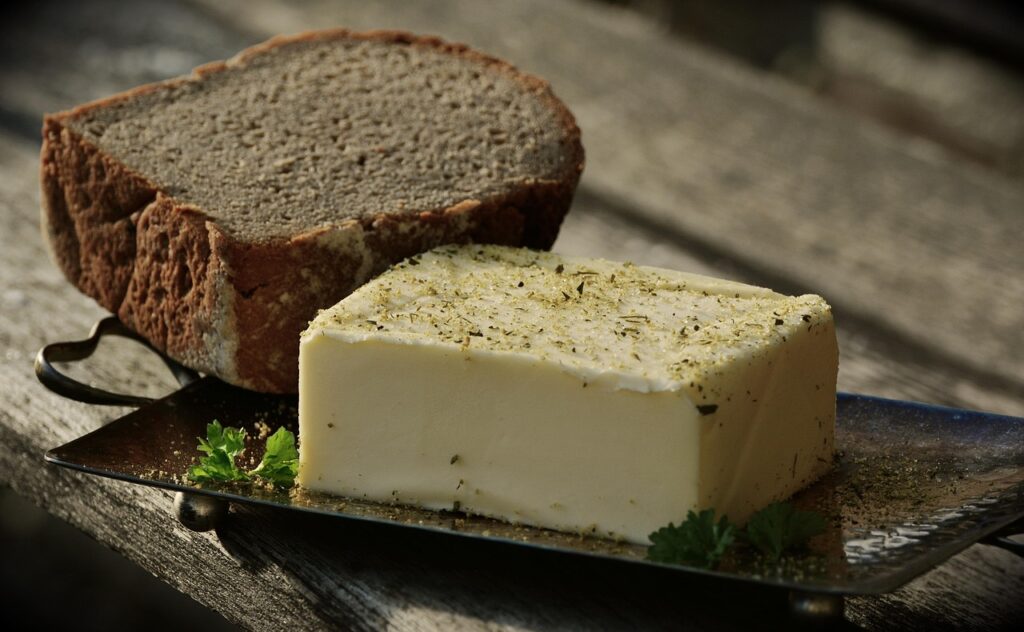
Butter and margarine are kitchen staples, slathered on toast, melted into sauces, or baked into flaky pastries. But these spreads are more than just cooking fats—they’re woven into the culinary and cultural fabric of societies worldwide. From the grassy fields of Ireland to the laboratories where margarine was born, their stories are rich, their uses diverse, and their impacts debated. Let’s dive into their origins, how they’re made, their benefits and drawbacks, and the best ways to store and serve them, all while exploring their global significance.
Origins and History
Butter: An Ancient Staple
The story of butter stretches back thousands of years. Archaeological evidence suggests that people in the Middle East were churning butter as early as 2000 BCE, likely by accident when milk was sloshed around in animal-skin bags during nomadic travels. Butter became a prized commodity in places like ancient India, where ghee—a clarified form—is still revered in cooking and religious rituals. In Europe, particularly in cooler climates like Ireland and Scandinavia, butter thrived because it could be stored longer than fresh milk. By the Middle Ages, it was a currency in some regions, used to pay taxes or trade. Its cultural weight is evident in sayings like “butter wouldn’t melt in their mouth,” hinting at someone’s cool demeanor, or in the lavish butter sculptures at festivals in places like India and the American Midwest.
Margarine: A Modern Invention
Margarine, by contrast, is a modern invention, born in the 19th century out of necessity. In 1869, Napoleon III offered a prize for a cheap, shelf-stable butter substitute to feed his army and the working class. French chemist Hippolyte Mège-Mouriès answered the call, creating a spread from beef tallow and skimmed milk, initially called oleomargarine (from “oleo,” meaning oil, and “margaric,” a fatty acid). By the 20th century, vegetable oils replaced animal fats, and margarine became a global phenomenon, especially during wartime butter shortages. Its affordability and versatility made it a hit, though it faced backlash from butter industries, leading to bans and taxes in places like the U.S. and Canada well into the 1900s.
How They’re Made
Butter: From Cream to Spread
Making butter is deceptively simple, yet it varies by region. At its core, it’s just cream churned until the fat separates from the liquid (buttermilk). In small-scale settings, like rural farms in France or India, this might mean hand-churning in wooden barrels or clay pots. Industrial producers use massive centrifuges to speed things up. European butters, like those from Normandy, often use cultured cream for a tangy depth, while American butters are typically uncultured, giving a milder flavor. Salted varieties, common in the U.K., add preservation and punch. Ghee, India’s golden elixir, takes it further: butter is simmered to remove water and milk solids, leaving pure fat that’s nutty and shelf-stable.
Margarine: A Scientific Blend
Margarine’s recipe is more complex, reflecting its scientific roots. Modern margarine starts with vegetable oils—soybean, palm, or canola are common—blended to achieve the right consistency. These oils are hydrogenated or interesterified to make them solid at room temperature, though partial hydrogenation, which creates trans fats, has largely been phased out due to health concerns. Emulsifiers like lecithin, water, salt (for salted versions), and sometimes milk solids are added for texture and flavor. Vitamins A and D are often included to mimic butter’s nutritional profile, and artificial or natural flavorings give it that buttery taste. In places like the Netherlands, where margarine consumption rivals butter, recipes are tweaked for spreadability straight from the fridge.
Benefits and Disadvantages
Butter: Rich and Natural
Butter’s benefits are tied to its natural simplicity. It’s rich in fat-soluble vitamins like A, D, E, and K, especially when made from grass-fed cows, which also boosts omega-3s and conjugated linoleic acid, linked to heart health in moderation. Its saturated fat content, once vilified, is now seen as less harmful than previously thought, though overconsumption can still raise LDL cholesterol. Butter’s flavor is unmatched, making it a chef’s darling for everything from French sauces to Indian dals. However, it’s calorie-dense, expensive compared to margarine, and not suitable for vegans or those with dairy allergies. In hot climates, it spoils quickly without refrigeration.
Margarine: Affordable and Adaptable
Margarine’s advantages lie in its affordability and adaptability. It’s often fortified with vitamins, making it a decent nutritional stand-in for butter, and its plant-based versions cater to vegans. Low-fat and trans-fat-free options appeal to health-conscious eaters, and it’s more shelf-stable, a boon in warmer regions or during supply chain disruptions. But margarine has downsides. Its processing can strip away natural nutrients, and some brands still use palm oil, linked to environmental concerns like deforestation. Its flavor, while improved, rarely matches butter’s richness, and some people dislike its artificial undertones.
Storage Tips
Butter: Keep It Cool
Storing butter depends on its type. Salted butter lasts a few weeks at room temperature in a covered dish, especially in cooler climates, but unsalted butter needs refrigeration at 35–40°F to prevent rancidity, lasting about a month. Freezing extends its life to six months; just wrap it tightly to avoid freezer burn. Ghee, with its low water content, can sit at room temperature for months in an airtight jar, a practice common in South Asia.
Margarine: Long-Lasting Convenience
Margarine, thanks to its preservatives, is more forgiving. It stays fresh in the fridge for two to three months and can be frozen for up to a year. Always check for off smells or mold, especially with bargain brands.
Serving Suggestions
Butter: A Culinary Star
Serving butter is where creativity shines. In France, a pat of butter on warm baguette is practically a religion, while in Ethiopia, niter kibbeh—butter infused with spices—elevates stews. Indian households drizzle ghee over rice or roti for depth. Butter’s also a star in baking, giving croissants their layers and cookies their crumble. For a fun twist, whip butter with herbs or honey for a fancy spread.
Margarine: Versatile and Accessible
Margarine, softer and spreadable, is a go-to for toast in budget-conscious homes, especially in Eastern Europe and parts of Africa. It’s also a workhorse in vegan baking or for kosher diets, where dairy and meat don’t mix. Blend margarine with garlic for a quick sandwich base.
Cultural and Culinary Significance
The significance of these spreads goes beyond the plate. Butter is a symbol of indulgence and tradition, from the butter lamps in Tibetan monasteries to the butter tea sipped in the Himalayas. It’s a craft, too—artisan butters from small dairies in New Zealand or Denmark are now gourmet darlings. Margarine, meanwhile, represents innovation and accessibility. It democratized fat for millions, especially during the World Wars, and its evolution reflects advances in food science. Yet it’s also a lightning rod for debates about health, sustainability, and “real” versus “fake” food.
In places like Ireland, butter is heritage, with brands like Kerrygold tying national identity to creamy richness. In contrast, countries like Australia and the Netherlands embrace margarine for its practicality, with brands like Flora marketing heart-healthy blends. In India, ghee is both food and medicine, used in Ayurvedic healing. Even in the U.S., where butter consumption dipped in the low-fat craze of the ’80s, it’s back with a vengeance, fueled by keto diets and farm-to-table trends.
Conclusion
Butter and margarine aren’t just spreads—they’re a lens into history, economics, and culture. Whether you’re team butter, savoring its old-world charm, or team margarine, appreciating its modern pragmatism, there’s no denying their impact. So next time you reach for a tub or a stick, think about the centuries of ingenuity and tradition you’re spreading onto your bread.